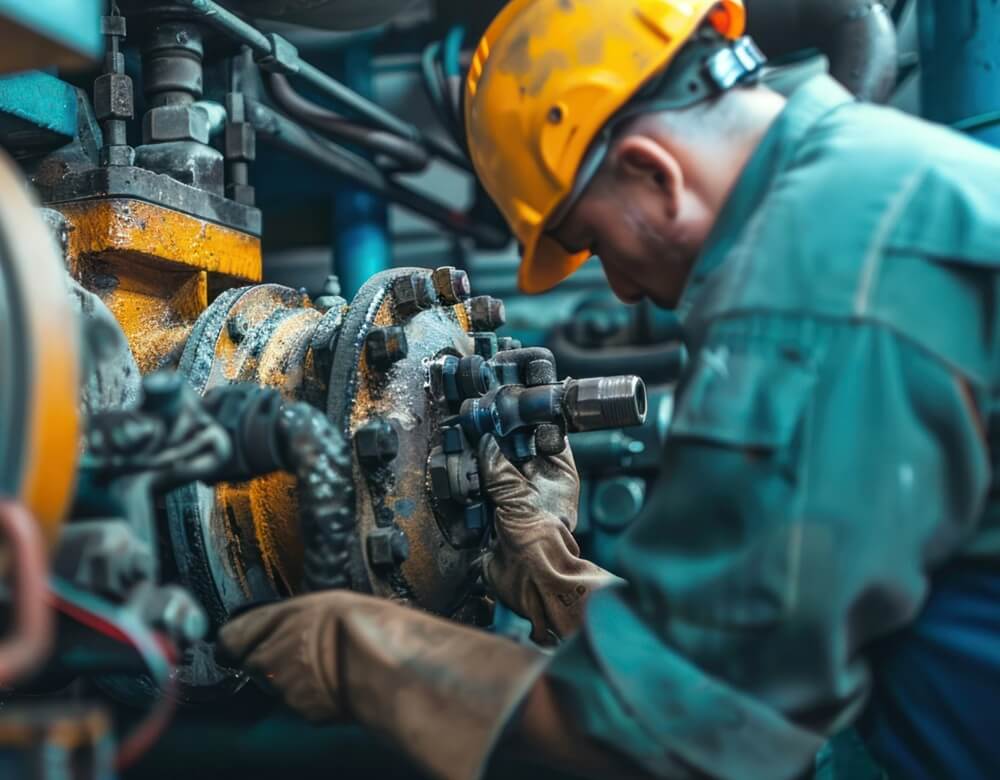

One of the most deceptive problems in the operation of onboard equipment is a situation where machinery is technically functioning, yet its technical condition is no longer safe. The absence of a clear failure reassures the crew and postpones the decision to intervene.
The mechanism runs, operations proceed according to plan, and the issue appears insignificant.
Experts from https://etmal.com.pl/en/ emphasize, however, that this is precisely when risk begins to build quietly in the background.
Operational performance is not the same as safety
Equipment may carry out its function while operating outside safe parameter ranges. Irregular operation, delayed responses, unstable pressure, or unusual noises are often treated as “normal wear.”
As long as the mechanism does not stop, these signs are rarely perceived as a threat. The problem is that safety goes beyond the mere fact that equipment works. It also includes predictability, resistance to load, and a margin for error in non-standard situations, such as adverse weather conditions or demanding port maneuvers.
Warning signs that are easy to dismiss
In day-to-day operation, many troubling symptoms are treated as secondary. Minor leaks, changes in operating characteristics, occasional drops in performance, or the need for more frequent adjustments rarely trigger an immediate response. Individually, none of these signs has to indicate a failure.
Taken together, however, they form a picture of a system that is gradually losing stability. Without proper diagnostics, it is difficult to determine when the boundary of safe operation has already been crossed.
Risk emerges at the worst possible moment
The greatest danger lies in the fact that hidden technical issues usually surface when equipment is under the highest load. Intensive operation, limited reaction time, and operational pressure leave little room for improvisation.
It is precisely then that seemingly minor irregularities can escalate rapidly into a serious problem. A failure at such a moment means not only technical costs, but also a real threat to the safety of the crew and the vessel.
Diagnostics as part of responsible operation
Regular diagnostics make it possible to distinguish normal wear from conditions that are becoming unsafe. Analyzing operating parameters, component condition, and cooperating systems allows for timely action before a critical situation develops. This approach changes the way maintenance is perceived. It stops being a reaction to failure and becomes a tool for risk control and responsible asset management.
Safety begins before failure
In the operation of onboard equipment, the most difficult decisions are often those that must be made while the machinery is still working. They require experience, technical knowledge, and the ability to interpret signals that are not obvious at first glance.
That is why more and more operators and shipowners treat diagnostics and planned servicing as part of their safety strategy, rather than merely an operational cost.